

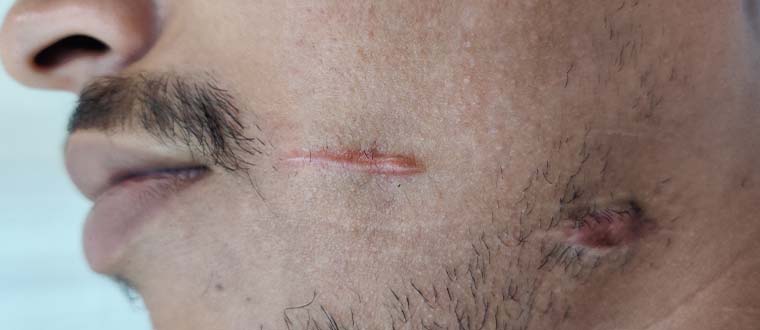
Treatment for Hypertrophic Scars & Keloids
Hypertrophic scars and keloids are types of raised scars that result from an overproduction of collagen during the healing process.
While hypertrophic scars remain confined to the original wound area, keloids extend beyond the wound boundaries, often becoming larger and more prominent over time. Treatment focuses on reducing the size, thickness, and discomfort of these scars.
Common options include corticosteroid injections, laser therapy, silicone gel sheets, cryotherapy, and in some cases, surgical removal combined with post-operative radiation or pressure therapy to prevent recurrence.
Early intervention and personalized treatment plans significantly improve outcomes, helping restore smoother skin and reduce itchiness, tenderness, or pain often associated with these scars.
Frequently Asked Questions
A hypertrophic scar stays within the boundaries of the original wound and may gradually improve over time. A keloid, on the other hand, grows beyond the original wound and tends to be larger, more raised, and persistent.
They are caused by excessive collagen production during the healing process. Factors such as genetics, skin type, injury severity, and location on the body can increase the likelihood of their formation.
Complete removal is not always possible, especially with keloids, which have a high recurrence rate. However, treatment can significantly reduce the size, color, and symptoms, making the scar far less noticeable.